

When it comes to food, quality matters. The way our food is grown, raised, and processed directly impacts our health, energy levels, and long-term well-being. Not all foods are created equal—some nourish and sustain us, while others are laden with chemicals, inflammatory fats, and toxins that can drain our vitality.
In this guide, I’ll break down the best-to-worst spectrum of foods across the key categories: meat, fowl, and eggs; fish; vegetables; fruits; fats and oils; moderation foods; and, of course, sensible indulgences. You’ll learn which foods provide the most nutritional value and which ones to avoid due to toxins, poor farming practices, or harmful processing methods.
By understanding this spectrum, you can make more informed choices, prioritising nutrient-dense, clean foods while minimising exposure to inflammatory and toxic ingredients. Whether you’re looking to optimise your diet for energy, longevity, or overall health, this ranking will help you navigate the modern food landscape with confidence.
Of course, go for the best quality that fits your budget.
Meat, Fowl, and Eggs
Best-to-worst
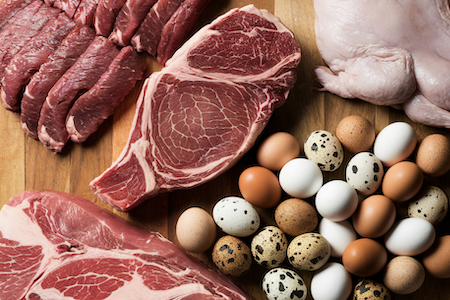
Local, Pasture-Raised – Highest in omega-3s and essential nutrients due to a natural diet of grass, insects, and forage. Superior taste, quality, and ethical farming practices.
Certified Organic – Likely grain-fed but free from synthetic hormones, pesticides, and antibiotics. A solid choice for cleaner, higher-quality meat.
Better-Than-CAFO (Humane-Raised, Grass-Finished, etc.) – CAFO stands for “Concentrated Animal Feeding Operation” also known as factory farming. Labels like “grass-finished” or “hormone-free” indicate some improvement over conventional meat, though regulations vary. Worth considering but not always as reliable as organic or pasture-raised.
Conventional CAFO (Factory-Farmed) – Raised in crowded, high-stress environments with hormones (for rapid growth), pesticides (from low-quality feed), and antibiotics (to prevent disease in poor conditions). Nutritionally inferior. If unavoidable, trim the fat to reduce toxin exposure.
Fish
Best Choices
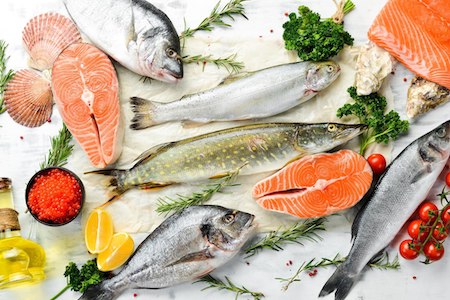
Wild-Caught, Oily Cold-Water Fish (from Pristine Waters) – The best source of omega-3s, including salmon, sardines, herring, mackerel, and anchovies (SMASH).
Other Wild-Caught Fish – Stick with domestic sources like trout, which still provide solid nutrition and cleaner sourcing.
Approved Farmed Fish – Some responsibly farmed options include domestic coho salmon, shellfish, barramundi, catfish, crayfish, tilapia, and trout.
Avoid
Most Farmed Fish – Typically raised in overcrowded conditions with high chemical contaminants, poor omega-6:omega-3 ratios, and lower nutritional value. Avoid Atlantic salmon (it doesn’t mean it was caught in the Atlantic!), which dominates the market (~90%) but is nutritionally inferior to wild varieties.
Predatory Fish (Top of the Food Chain) – Swordfish and shark accumulate high levels of mercury and other toxins—best to avoid.
Asian Imports – Both farmed and wild-caught fish from China and other parts of Asia often come from polluted waters and lack strict safety regulations.
For Sustainable Choices – Visit Monterey Bay Aquarium Seafood Watch or Environmental Defense Fund (EDF) for the latest guidelines on safe, ethical fish consumption.
Vegetables
Best-to-worst
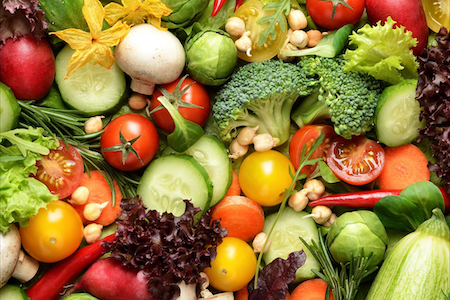
Locally Grown, Pesticide-Free – Highest in nutrients and antioxidants. Prioritise these for peak freshness and health benefits.
Certified Organic – A great option, though local often surpasses organic due to better ripening and sustainability.
Conventionally Grown – Acceptable but should be thoroughly washed, especially leafy greens, peppers, and other thin-skinned vegetables.
Remote, Conventionally Grown – Not ideal, but still far better than skipping vegetables altogether!
Fruits
Best-to-worst
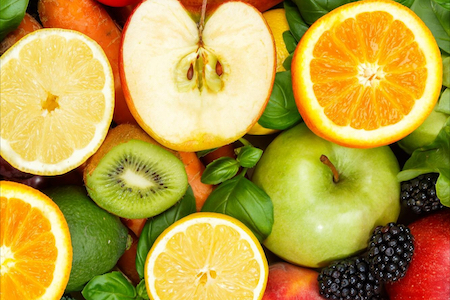
Locally Grown, Pesticide-Free, In-Season – Enjoy in abundance as nature intended. Prioritise high-antioxidant, low-glycemic fruits like berries, cherries, peaches, apricots, guava, avocado, lemons, and tomatoes.
Certified Organic – A strong choice, especially when locally sourced and consumed in-season.
Conventionally Grown – Acceptable, but wash thoroughly to reduce pesticide exposure.
High-Glycemic, Low-Antioxidant Fruits – Consume in moderation, particularly if managing blood sugar or body fat. Examples: dates, dried fruits, grapes, mangoes, melons, nectarines, oranges, papayas, pineapples, plums, tangerines.
Remote, Conventionally Grown, Out-of-Season – Less beneficial and generally unnecessary, especially for those seeking optimal health or fat loss.
Fats and Oils
Best Choices
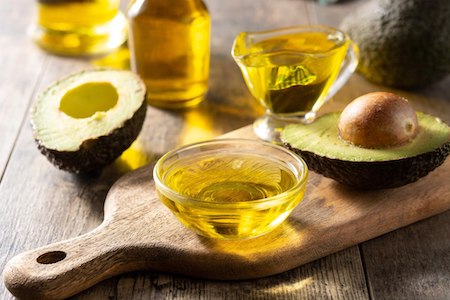
Avocado & Olive Oil – Rich in monounsaturated fats. Choose extra-virgin, first cold-press olive oil from trusted sources to avoid over-processed varieties.
Coconut Products – Coconut oil, milk, butter, water, and flakes offer unique health benefits, particularly their medium-chain fatty acids, which support metabolism and brain function.
Stable Cooking Fats – Butter, coconut oil, and other saturated animal fats remain stable under heat, unlike vegetable oils, which oxidise easily.
High Omega-3 Oils – Borage, cod liver, krill, hemp, and salmon oils are more bioavailable than flaxseed oil and provide essential anti-inflammatory benefits.
Avoid
Refined Polyunsaturated Vegetable Oils – Otherwise known as seed oils, these are some of the worst substances to consume and exist in nearly every processed food. Canola, corn, soybean, safflower, and sunflower oils are highly processed, easily oxidised, and pro-inflammatory. Opt for saturated fats instead.
Trans and Partially Hydrogenated Oils – Found in processed foods, margarine, and baked goods. These damage cells and should be eliminated completely.
Moderation Foods

Beverages – Hydrate based on thirst, not outdated “8 glasses a day” rules. Coffee is fine in moderation—avoid dependence and late-day consumption to protect sleep. Green and herbal teas support immunity and reduce inflammation. Sparkling mineral water with lemon, lime, and a pinch of salt can help curb soda cravings and replenish minerals.
High-Fat Dairy Products – Prioritise raw, fermented, and pasture-raised options like ghee, butter, cream, cheese, Greek yogurt, kefir, and raw whole milk for maximum nutritional benefit. These provide healthy fats, probiotics, and fat-soluble vitamins but should be consumed based on individual tolerance.
Nuts, Seeds, and Their Butters – Excellent sources of healthy fats, antioxidants, and phytonutrients, making them a great snack alternative to high-carb options. Macadamias, walnuts, almonds, and pumpkin seeds offer superior nutritional value with a good omega-3 to omega-6 ratio. However, they are calorie-dense and can be inflammatory in excess—opt for raw or sprouted varieties to improve digestion.
Supplemental Carbs – For high-calorie burners or those without excess body fat concerns, sweet potatoes, quinoa, and wild rice can help replenish glycogen after heavy exercise. However, for those who are Primal-adapted and metabolically efficient, these should be viewed as optional rather than essential, as fat adaptation allows for steady energy without carb reliance.
Dark Chocolate – A superior option for satisfying your sweet tooth while offering high antioxidant content and beneficial fats. Choose varieties with 85% cacao or higher to minimise sugar while maximising polyphenols and magnesium intake. Stick to small portions to avoid excess sugar and potential oxalate concerns.
Sensible Indulgences

Red Wine – While often praised for its antioxidants, alcohol is still a neurotoxin that impairs brain function, disrupts sleep, and puts fat burning on hold. It also contributes to inflammation and can shrink brain volume over time! If you choose to drink, do so sparingly and with awareness of its effects.